2027 Chevrolet Bolt: the $29k EV is back, and better
The Chevrolet Bolt returns for 2027 from $28,995 with 262 miles of range and a NACS port. Here are the verified specs and a tested 0-60 time.

The 2027 Chevrolet Bolt is a compact electric hatchback with 210 hp and an EPA-rated 262 miles of range, and it starts at $28,995 including destination. Car and Driver tested an RS model at 6.7 seconds from 0-60 mph.
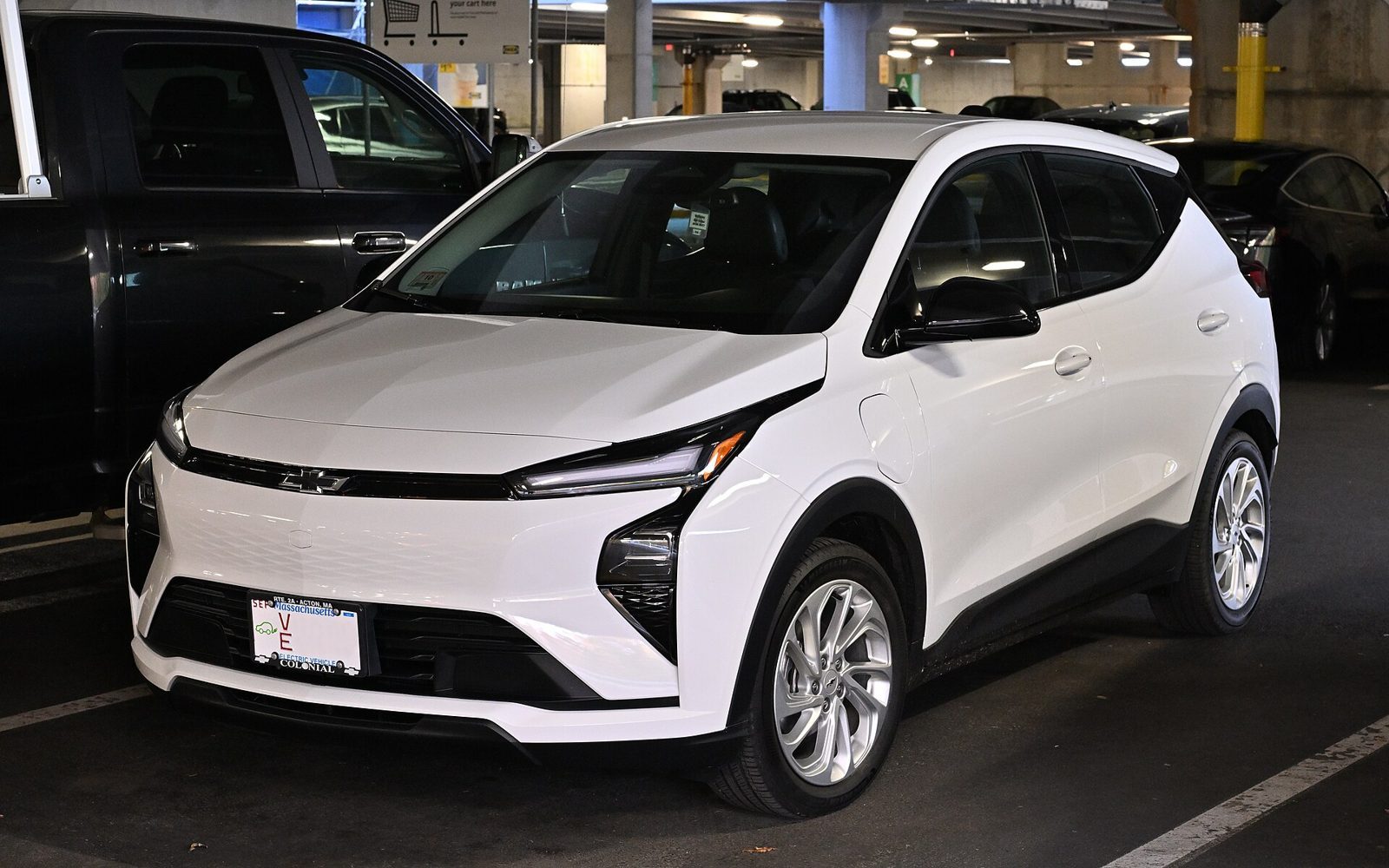
The original Bolt went out of production in 2023 with plenty of fans and a slightly complicated reputation. The new one is a reset: new battery chemistry, a NACS charging port and a price that undercuts almost every other new EV in the US. Car and Driver also named it its 2026 EV of the Year, which is a fairly strong second act.
Key specs
| Engine | Single front electric motor, front-wheel drive, LFP battery |
|---|---|
| Power | 210 hp, 169 lb-ft, claimed |
| 0-60 mph | 6.7 seconds (Car and Driver tested, RS) |
| Top speed | 95 mph, governor limited (Car and Driver) |
| Price (US$) | From $28,995 including destination (LT); RS tested at $32,995 base |
Power and price are Chevrolet’s figures. Acceleration and top speed come from Car and Driver’s test of a Bolt RS. The 6.7-second time omits a 1-foot rollout, as is standard in their testing.
Quick facts
- The EPA rates the Bolt at 262 miles of range.
- Car and Driver measured a 10 to 90 percent DC fast charge in 38 minutes, at a peak rate of up to 150 kW.
- The Bolt has a built-in NACS port for Tesla Superchargers.
- The battery stores 65 kWh, according to Car and Driver.
- Car and Driver recorded a quarter mile of 15.2 seconds at 95 mph.
Pros and cons
Pros
- It is one of the cheapest new EVs in the US.
- A 262-mile range is plenty for most daily driving.
- The NACS port opens up the Supercharger network.
- Car and Driver rated it highly enough to make it EV of the Year.
Cons
- A 95 mph top speed is low, even for a commuter car.
- DC fast charging is slower than many newer EVs.
- The RS adds a noticeable amount to the price.
Why it matters
The biggest problem with EVs in the US has been price. The Bolt’s return gives buyers a new electric car at roughly the price of a well-equipped compact gas car, from a mainstream brand with a large dealer network. That matters far more for EV adoption than another $100,000 luxury SUV.
The Bolt also shows the industry moving to LFP batteries, which are cheaper and more durable, although they usually store less energy. Compare it with the 2026 Nissan Leaf, which takes a different route with a larger battery, a longer range and a higher top trim price.
Who it is for
The Bolt suits first-time EV buyers, commuters and households adding a second car. Its price is low enough to compete with gas compacts, and its range covers a typical week of commuting on a single charge for many drivers. Owners with a home charger will rarely need to visit a fast charger at all.
It is less suited to drivers who regularly cover long distances at high speed. Car and Driver measured 230 miles of highway range in its test, and the 95 mph top speed will feel restrictive on open interstates. For those buyers, a longer-range EV or a hybrid might be a better fit, although they will cost noticeably more than the Bolt.
How to photograph the Bolt
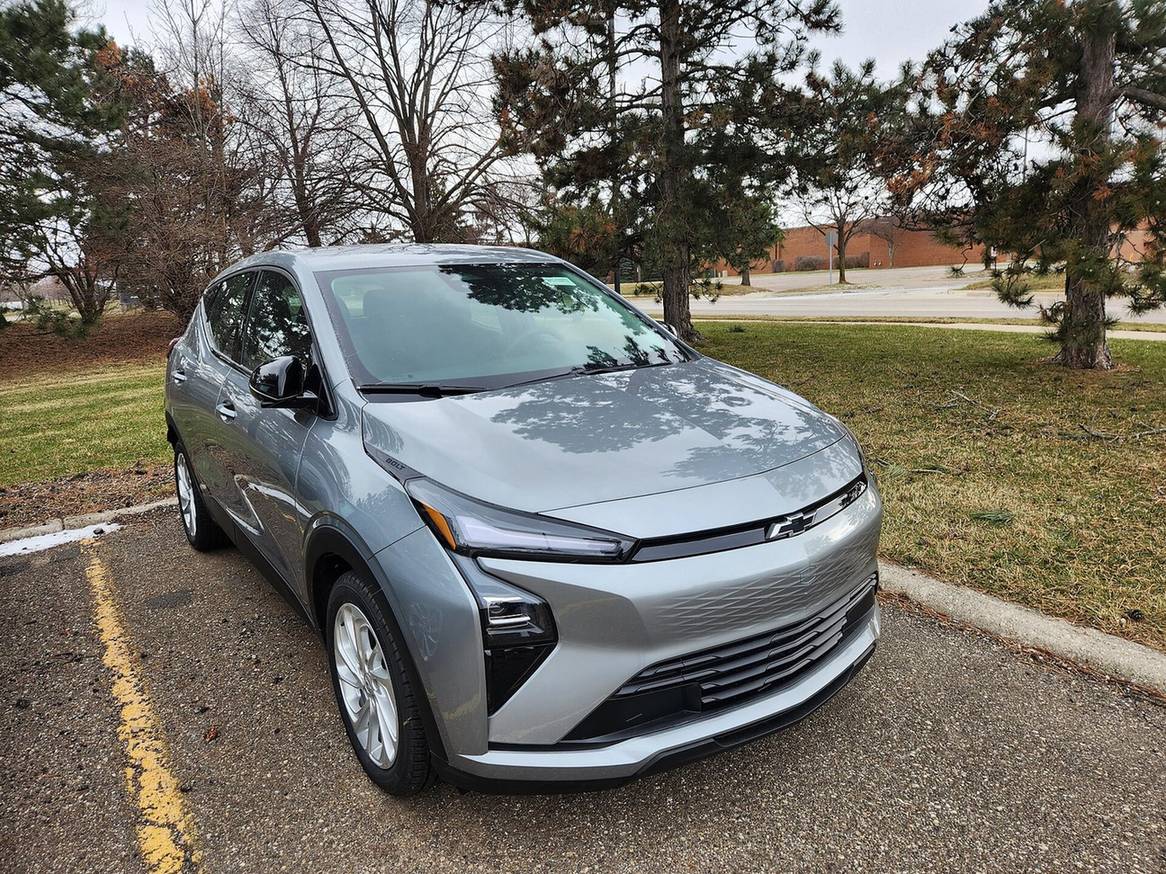
Small hatchbacks look best from a low front three-quarter angle, which makes them look planted rather than tall. Use a 35mm lens and shoot from about knee height. Brighter paint colors suit an urban background with some color, such as a mural or a downtown street at dusk.
For a moving shot, a rolling shot from another car is safer and easier than panning in traffic. Keep the shutter at 1/40s to 1/60s for wheel blur. Our guide to rolling shots covers the setup.
Verdict
The 2027 Bolt fixes most of what held back the original and adds a NACS port, which is a big deal for road trips. It is not exciting to look at in spec-sheet terms, but 6.7 seconds to 60 mph is quicker than most gas cars at this price.
If you want an affordable, practical EV from a big brand, it is near the top of the list. If you need to drive long distances at high speeds, the 95 mph limit and the charging speed are worth thinking about.
Frequently asked questions
How much does the 2027 Chevrolet Bolt cost?
Chevrolet lists the 2027 Bolt LT from $28,995 including destination. The RS model costs more, and Car and Driver’s RS test car had a base price of $32,995 before options. Federal and local incentives change frequently, so check current rules before you buy.
What is the range of the 2027 Bolt?
The EPA rates the 2027 Bolt at 262 miles. That is less than some newer rivals, but more than enough for most daily driving. Like all EVs, real-world range drops in cold weather and at sustained highway speeds, so plan longer trips with some buffer.
How fast is the 2027 Chevrolet Bolt?
Car and Driver tested a Bolt RS at 6.7 seconds from 0-60 mph and 15.2 seconds through the quarter mile at 95 mph. Top speed is limited to 95 mph. That is quick enough for everyday driving, and quicker than many gas compact cars at a similar price.
Can the Bolt use Tesla Superchargers?
Yes. The 2027 Bolt has a built-in NACS port, which is the connector used by Tesla Superchargers. That means no adapter is needed at compatible stations. Car and Driver measured a 10 to 90 percent charge in 38 minutes on a DC fast charger.


