2026 Porsche 911 Turbo S: the hybrid Turbo explained
The new 911 Turbo S adds a T-Hybrid system and 701 hp. These are the verified specs, the US price and what changed from the last one.

The 2026 Porsche 911 Turbo S is the first 911 Turbo with a hybrid system, and it makes 701 hp. Porsche claims 0-60 mph in 2.4 seconds and a top track speed of 200 mph, and the coupe starts at $270,300 before destination.
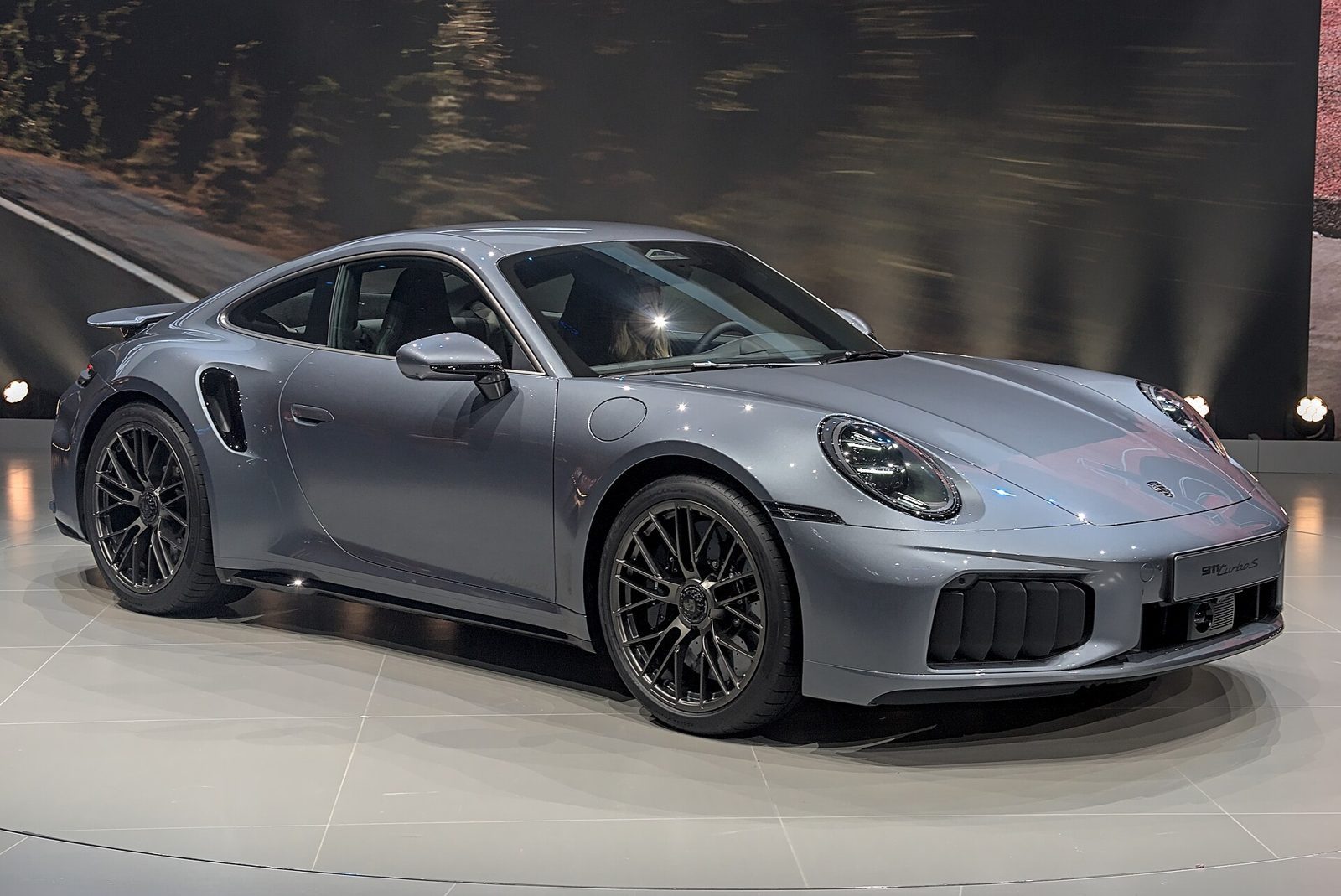
For a car that has spent five decades being the sensible supercar, that is quite a jump. The Turbo S was already the 911 you could drive to the office and then embarrass a Lamborghini with on the way home. Now it has electric turbochargers, a small battery and 61 more horsepower than before.
Key specs
| Engine | 3.6L twin-turbo flat-six with T-Hybrid system and electric turbochargers, AWD, 8-speed PDK |
|---|---|
| Power | 701 hp, 590 lb-ft, claimed |
| 0-60 mph | 2.4 seconds, claimed |
| Top speed | 200 mph on track, claimed |
| Price (US$) | $270,300 coupe, $284,300 Cabriolet, plus $2,350 delivery, processing and handling |
All figures are Porsche’s, from Porsche Cars North America. No independent instrumented test is quoted here.
Quick facts
- Porsche says the new car makes 61 hp more than the outgoing Turbo S.
- The T-Hybrid system uses a 1.9-kWh battery and two electric exhaust-gas turbochargers.
- Porsche claims 0-124 mph in 8.4 seconds.
- A preproduction car lapped the Nürburgring Nordschleife in 7:03.92, according to Porsche.
- With the $2,350 fee, the coupe totals $272,650 and the Cabriolet $286,650.
Pros and cons
Pros
- The electric turbochargers should cut the lag that even the old car had at low revs.
- It remains a 2+2 with a usable front trunk.
- The power gain is large for a car that was already very quick.
- A Cabriolet is offered from launch.
Cons
- The hybrid hardware adds weight to a car that was never light.
- At $270,300 to start, it is far beyond where the 911 Turbo began.
- Porsche option lists can add tens of thousands of dollars quickly.
Why it matters
The Turbo S has always been the 911 for people who want maximum speed with minimum drama. Going hybrid is Porsche’s answer to stricter emissions rules and to rivals adding electric motors to everything. The interesting part is how it uses the electricity: the motors spin the turbochargers so the engine responds faster, rather than turning the car into a commuter EV.
It also sets the tone for the rest of the 911 range. The same T-Hybrid idea arrived first in the Carrera GTS, and the Turbo S shows how far it can be pushed. If you are comparing it with the electric Cayenne Turbo Electric, the two cars show Porsche running two very different performance strategies side by side.
For buyers, the question is whether the extra performance is worth the extra mass. Porsche’s Nürburgring time suggests the answer is yes, although that number comes from Porsche and not from an independent test.
Who it is for
The Turbo S suits a driver who wants one car for everything and has the budget to match. It will cover long highway trips in comfort, deal with rain and cold thanks to all-wheel drive, and still post lap times that embarrass far more specialized cars. Buyers who want the most raw, track-focused 911 will look at a GT3 instead, and buyers who mainly want the look can save a lot with a Carrera.
It is also a strong pick for anyone who plans to keep a car for a long time. The Turbo has historically been the 911 people hold onto, partly because it is so easy to live with. The hybrid system adds parts that need to last, but Porsche has a decent record with its complex drivetrains, and the extra response should make it more satisfying every day, not only on the rare occasions you use all of it.
How to photograph the 911 Turbo S
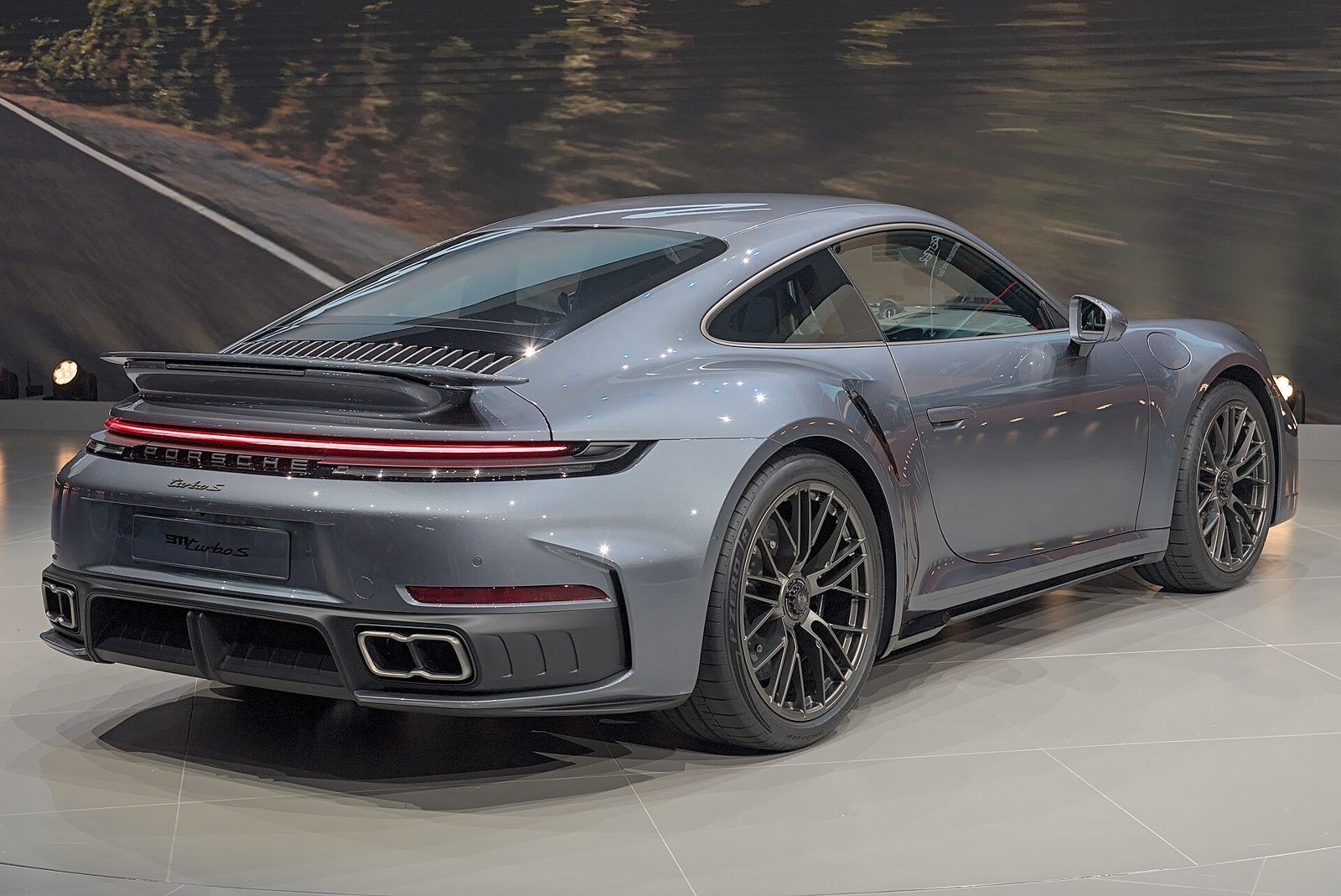
The 911 shape rewards a longer lens. Try 70mm to 135mm from a distance to compress the car and keep the roofline clean, and shoot the rear three-quarter to show the wide hips and the full-width light bar. The best lenses for car photography guide explains why a short telephoto flatters cars like this.
Darker 911 colors swallow detail, so look for open shade or the hour after sunrise. A circular polarizer helps control windshield reflections, and you can rotate it to bring back the curve along the front fenders.
Verdict
The 2026 911 Turbo S keeps the formula that made the Turbo famous: 2+2 seating, all-wheel drive and acceleration that feels slightly unreasonable. The hybrid system adds complexity, but Porsche has used it to make the car sharper rather than greener.
It is expensive, and the options list is a trap. Still, if you want one car that can do a cross-country trip and a track day without complaint, few things do it better.
Frequently asked questions
Is the 2026 Porsche 911 Turbo S a hybrid?
Yes. It uses Porsche’s T-Hybrid system, which combines a 3.6-liter twin-turbo flat-six with electric exhaust-gas turbochargers and a 1.9-kWh battery. It is not a plug-in hybrid. The electrical system is designed to sharpen throttle response and add power, and Porsche rates the total output at 701 hp.
How much does the 2026 911 Turbo S cost?
Porsche lists the coupe at $270,300 and the Cabriolet at $284,300. A $2,350 delivery, processing and handling fee is added, bringing the totals to $272,650 and $286,650. Options are extra, and most Turbo S cars leave the factory with a long list of them.
How fast is the new 911 Turbo S?
Porsche claims 0-60 mph in 2.4 seconds, 0-124 mph in 8.4 seconds and a top track speed of 200 mph. A preproduction car lapped the Nürburgring Nordschleife in 7:03.92, according to Porsche. These are manufacturer figures, so independent test results may differ slightly.
How much more powerful is it than the previous Turbo S?
Porsche says the new car produces 61 hp more than its predecessor, for a total of 701 hp. Torque is rated at 590 lb-ft. Most of the gain comes from the hybrid system and the electric turbochargers, which also help the engine respond sooner at low engine speeds.


