2026 Nissan Leaf: 303 miles of range for under $30k
The third-generation Leaf adds up to 303 miles of range and a NACS port from $29,990. Here are the verified prices, specs and charging details.

The 2026 Nissan Leaf is a new third-generation EV with up to 303 miles of EPA-estimated range and a starting price of $29,990. It has 214 hp, a 75-kWh battery and a built-in NACS port with Plug & Charge.
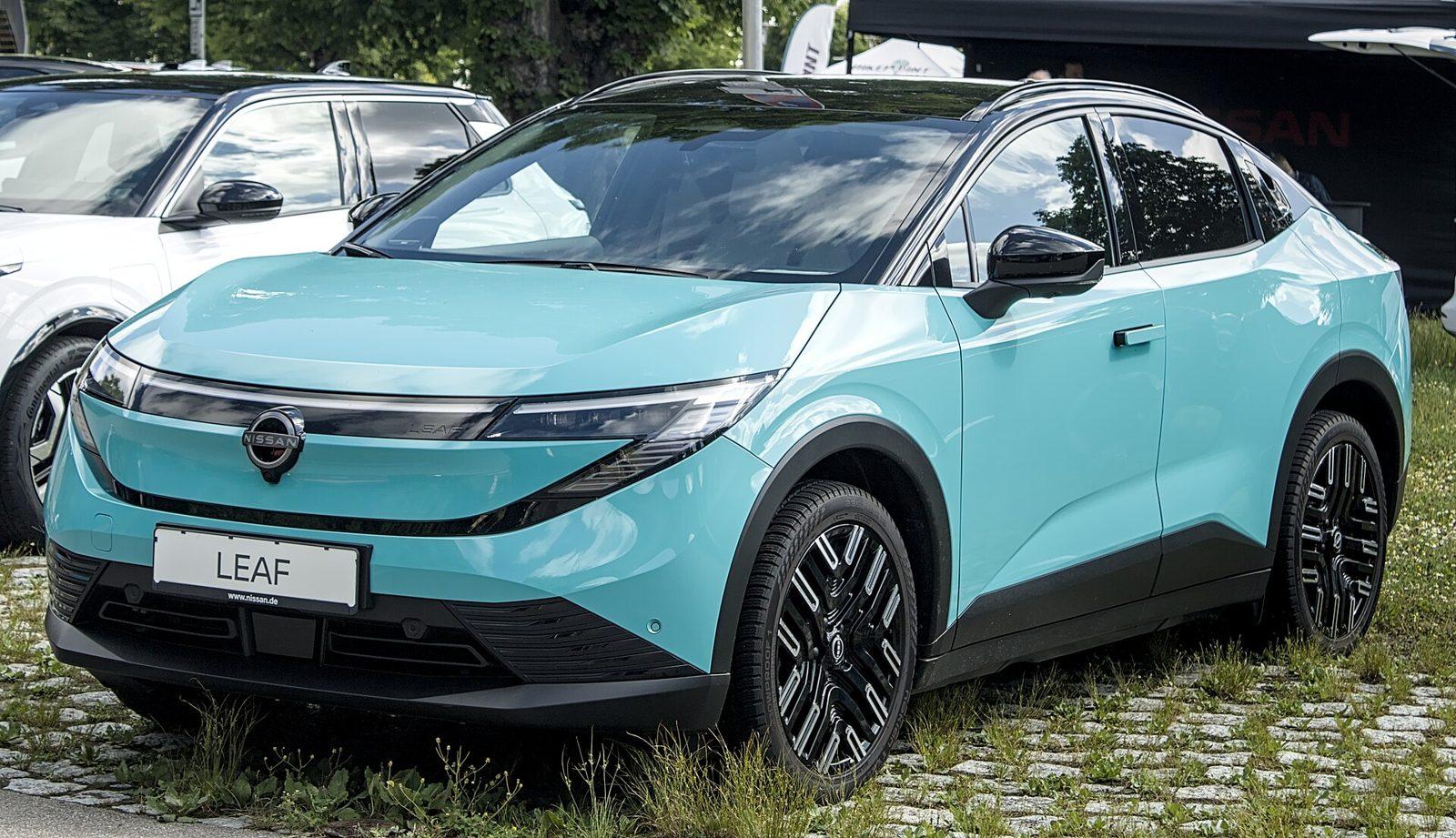
The original Leaf, launched as a 2011 model, was one of the first mass-market electric cars. It was also, by later standards, a bit of a commuter appliance. The new one is lower and sleeker, with a fastback crossover shape and far more range.
Key specs
| Engine | Single front electric motor, front-wheel drive, 75-kWh battery |
|---|---|
| Power | 214 hp, 261 lb-ft, claimed |
| Price (US$) | S+ $29,990; SV+ $34,230; Platinum+ $38,990; plus $1,575 destination |
| On sale | Reached Nissan dealers in fall 2025 |
All figures are Nissan’s. Nissan has not published an official 0-60 mph time or top speed in the sources checked, so those rows are left out rather than estimated.
Quick facts
- The EPA-estimated range is up to 303 miles for the S+ trim.
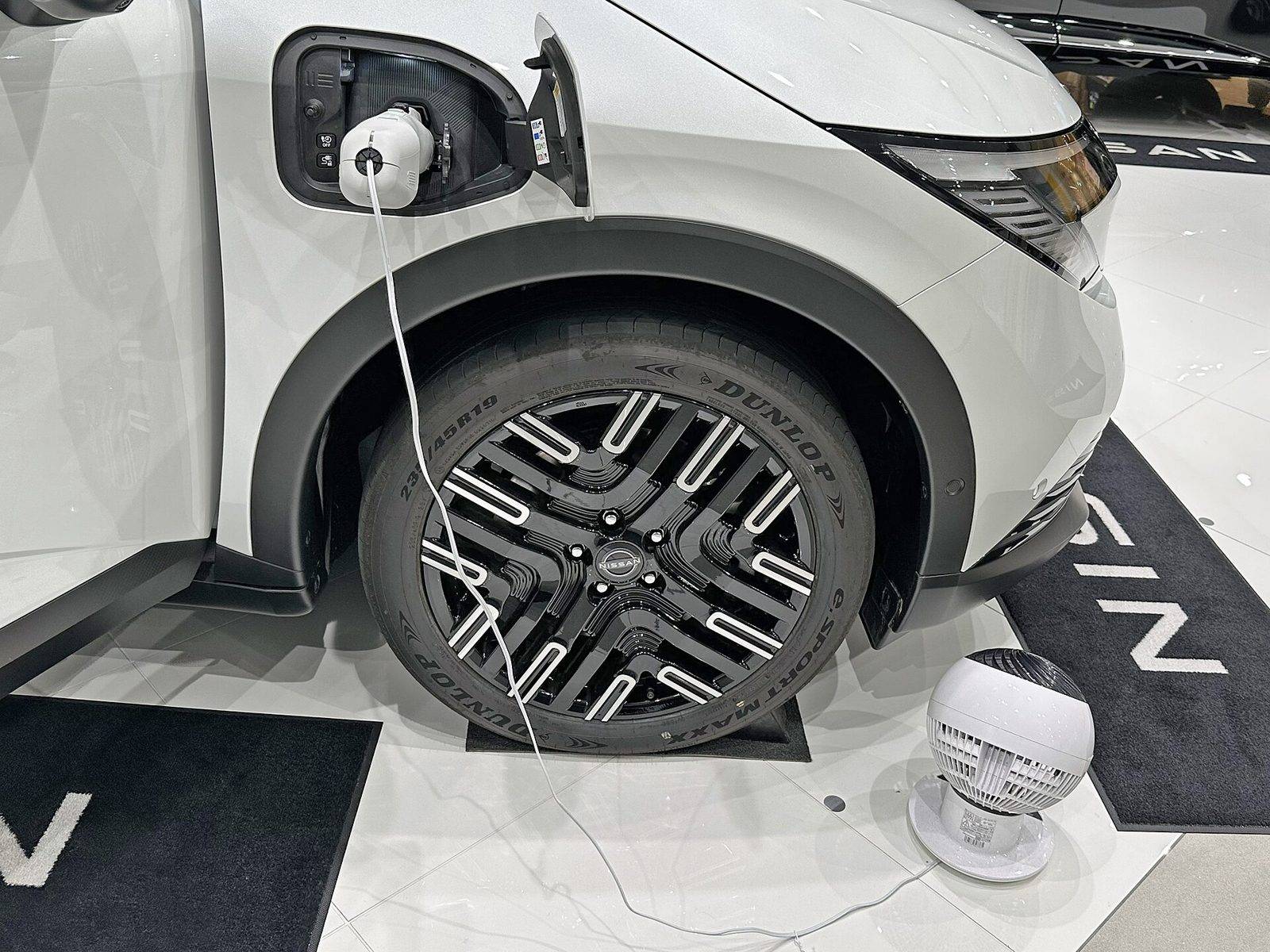
- The Leaf has a built-in NACS port with Plug & Charge.
- Nissan quotes about 35 minutes for a 10 to 80 percent DC fast charge.
- The S+ is the lowest-priced trim, starting at $29,990 before destination.
- The EPA rates the Leaf at 131 MPGe city and 111 MPGe highway.

Pros and cons
Pros
- Up to 303 miles of range is strong for the price.
- The NACS port with Plug & Charge simplifies fast charging.
- It is one of the cheapest new EVs in the US.
- The new shape is more modern than the old hatchback.
Cons
- DC fast charging is slower than many rivals.
- Higher trims cost close to $40,000 before destination.
- Nissan has not published acceleration figures.
Why it matters
The Leaf was the car that introduced many Americans to EVs. Its return as a modern, longer-range model shows Nissan is not giving up on affordable EVs, despite a tougher market. With the Chevrolet Bolt also back below $30,000, buyers have more cheap EV choices than they have had in years.
The NACS port is also a big step. It means Leaf owners can use Tesla Superchargers directly, with Plug & Charge handling payment automatically. That removes one of the biggest pain points for owners of the older Leaf, which used the fading CHAdeMO standard.
Who it is for
The new Leaf suits budget-minded EV buyers who want a long range and simple charging. Its 303-mile rating on the S+ makes it a realistic option for drivers who occasionally take longer trips, not just city commuters. The NACS port helps here too, because it opens up the Supercharger network without needing an adapter.
It is less appealing to buyers who want quick DC charging or strong performance. Nissan’s quoted 35-minute charge time is slower than some rivals, and the company has not published acceleration figures. If those matter to you, compare it with the 2027 Chevrolet Bolt and the Hyundai Ioniq 5, both of which are close in price depending on trim.
For existing Leaf owners, the upgrade case is strong. The new car offers far more range than early models, a modern charging port and a more contemporary design. Nissan also lists a $1,575 destination charge on every trim, so the real starting price is a little higher than the headline figure. Check local incentives before you buy, since they can change the numbers significantly.
How to photograph the Leaf
The new Leaf has a smooth fastback profile, so a side shot shows its shape best. Use a 50mm lens from a distance and keep the camera at mid-door height. Lighter paint colors look good against darker backgrounds, like a brick wall or a tree line.
At night, light painting can make an everyday EV look dramatic. A long exposure on a tripod and a handheld LED light are all you need. Our guide to light painting cars explains the technique step by step.
Verdict
The 2026 Leaf is a big step forward from the old one, with much more range, a modern design and easier charging. At $29,990, it is one of the best-value EVs on sale in the US.
It is not a performance car, and Nissan has not tried to make it one. If you want an affordable, practical EV with a long range, it deserves a test drive.
Frequently asked questions
How much does the 2026 Nissan Leaf cost?
Nissan lists the 2026 Leaf S+ at $29,990, the SV+ at $34,230 and the Platinum+ at $38,990. A $1,575 destination charge is added to each. Federal and local EV incentives change frequently, so check current rules and dealer pricing before you buy.
What is the range of the 2026 Nissan Leaf?
Nissan says the EPA-estimated range is up to 303 miles for the S+ trim. Higher trims have less range. Real-world range depends on driving speed, temperature and terrain, so expect less on cold highway trips. Check the window sticker for the rating of the exact trim you plan to buy.
Can the 2026 Leaf use Tesla Superchargers?
Yes. The 2026 Leaf has a built-in NACS port with Plug & Charge, so it can use compatible Tesla Superchargers without an adapter. Plug & Charge means payment is handled automatically when you plug in. Nissan quotes about 35 minutes for a 10 to 80 percent charge.
How fast is the 2026 Nissan Leaf?
Nissan has not published an official 0-60 mph time or top speed in the sources we checked. The Leaf makes 214 hp and 261 lb-ft, which should make it quick enough for everyday driving. We will add tested figures once a reputable outlet publishes an instrumented test.


