How To Photograph Fast Subjects Safely and Effectively
Where to stand, what to avoid and how to set up so you get sharp photos of fast cars and bikes without putting yourself, drivers or spectators at risk.

The best spot for a dramatic photo of a fast car is often the most dangerous one: the outside of a corner, the edge of a road, the exit of a car meet. Getting good images safely means knowing where the risk is, choosing positions that are both safe and photogenic, and setting up your camera so you don’t need to get closer than you should.
Understand where the danger is
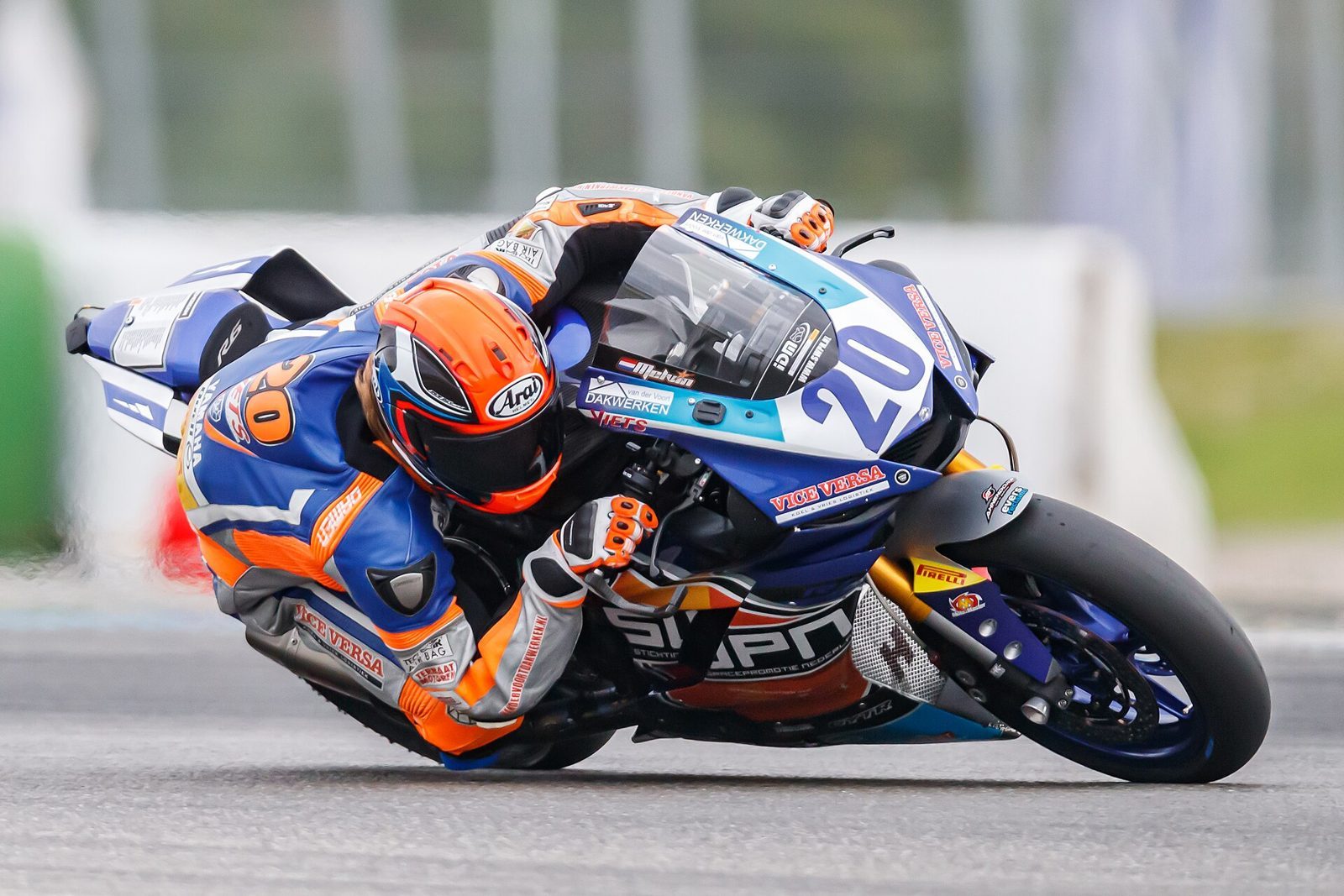
A car that loses control keeps going in roughly the direction it was traveling. That simple fact explains most safety rules around tracks and roads.
- Outside of corners: the most dangerous place to stand. A car that runs wide or spins goes here.
- Ends of straights and braking zones: brake failures and missed braking points send cars straight on.
- Exits of car meets and parking lots: drivers showing off with wheelspin or launches are a well-known cause of crowd injuries.
- Roadsides: traffic doesn’t expect someone standing at the edge with a camera, and drivers may be distracted by you.
Safe positions are usually on the inside of corners, behind barriers, on raised ground and well back from the road. With the right focal length, they still give great images.
At race tracks
Spectator areas at permanent circuits are designed around these risks. Stay inside them, behind the fencing and barriers, and follow instructions from security and corner workers. Don’t climb fences, stand on barriers or slip into closed areas.
If you get a photo pass at a club event, read what it allows. Restricted areas usually require a briefing, a high-visibility vest and an escort or designated photo positions. Ask the organizer where photographers are allowed and listen to corner workers on the day. Our track day photography guide explains how this works at typical US track days and club races.
At autocross events
Autocross courses are laid out with cones in parking lots or airfields. Speeds are lower than on a road course, but cars can spin and slide into areas that look safe. The SCCA’s rules for its National Tour events, as an example, say that photographers who want to go into a course area need the Safety Steward’s approval and must have a spotter with them, and a minor can’t act as the spotter. Rules differ by region and event, so check with the event’s safety steward before you walk anywhere near the course. Most local events work the same way: you stay in spectator areas unless the safety steward clears you.
At car meets and Cars and Coffee
Static car meets are low-risk until cars start leaving. That’s when some drivers rev, spin their tires or accelerate hard past the crowd. Organizers try to prevent it, because it puts spectators at risk and can cost them the venue.
- Don’t stand at the exit or along the road outside a meet hoping for a launch shot.
- Never encourage drivers to rev or do burnouts for your camera.
- Choose a position behind something solid, such as a curb with a light pole, or well back on raised ground.
- Use a longer lens to fill the frame from a safe distance.
For more on meet etiquette, read our guide to exotic car runs and car meets.
On public roads
Photographing traffic from the sidewalk is generally lawful in the US. Stepping into the road, standing on the shoulder of a highway or blocking traffic is not, and it’s dangerous. Stay on the sidewalk or well off the road on public land, and never stand where a car leaving its lane would hit you.
Car-to-car shots (rolling shots) need their own safety plan: a separate driver for the camera car, seat belts for everyone, quiet roads, legal speeds and agreed signals. Our guide on how to shoot rolling shots of cars safely covers that in detail. The NHTSA’s guidance on seat belts applies to photographers as much as to anyone in a car: leaning out of a window or riding in a truck bed is not a safe way to get a shot.
Use focal length instead of distance
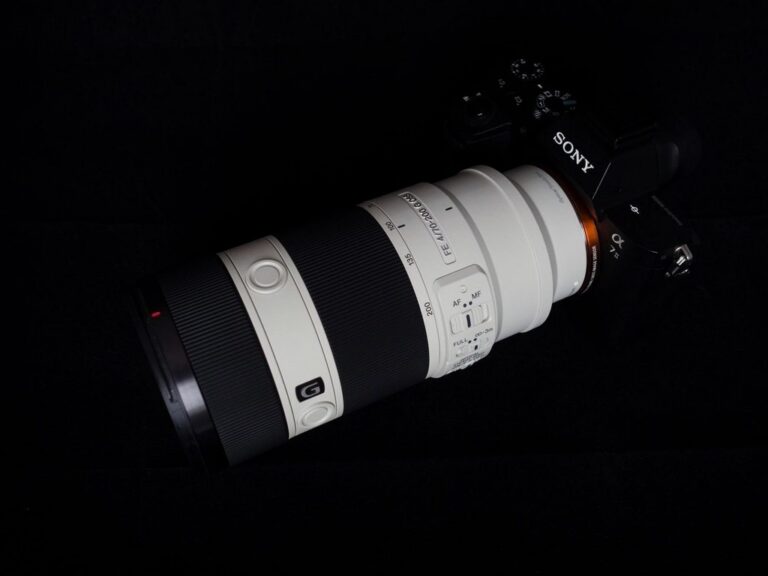
The main reason people get too close is that their lens is too short. A 70-300mm or 100-400mm lets you stay behind barriers and still fill the frame. On an APS-C camera, the crop factor adds extra reach. If you can’t get a lens that long, accept a smaller car in the frame and crop slightly; modern sensors have resolution to spare.
Wide-angle shots that make a car look huge as it passes inches away are made by professionals in controlled positions, often with remote cameras. Don’t try to replicate them by standing close.
Settings that make safe positions work
A safe position is often farther away and at a less ideal angle. A few settings help:
- Continuous autofocus with a zone area, so the camera keeps up with a car at long range.
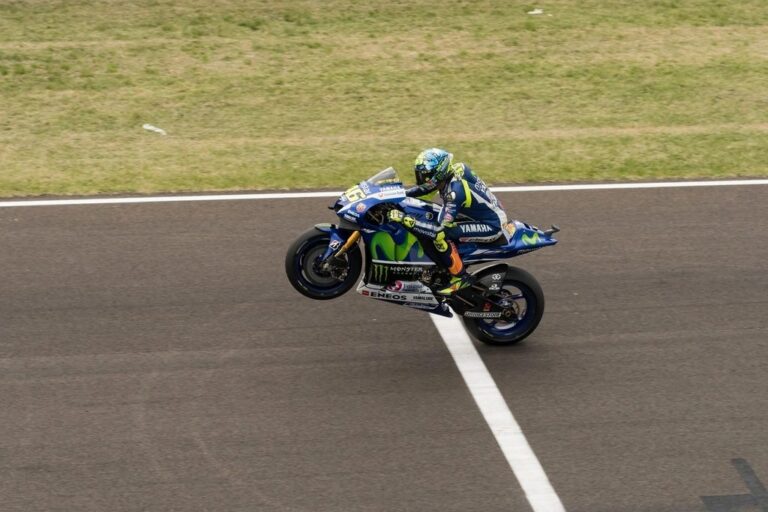
- Shutter priority at 1/1000 sec for freezing, or 1/250 sec and slower for panning, with auto ISO.
- Burst mode, so you can pick the best frame without having to get closer for a second chance.
- Back-button focus, which makes tracking at distance more consistent.
Our camera settings for motorsport guide has more detail for each situation.
Habits that keep you safe
- Keep one eye on the track or road. Looking through the viewfinder narrows your awareness. Between bursts, look up.
- Know your escape route. Before you settle into a spot, know where you’d move if a car came your way.
- Don’t turn your back on traffic while reviewing images.
- Listen. Engine notes, tire squeal and whistles from corner workers are warnings.
- Protect your hearing. Earplugs reduce fatigue over a long day, and you’ll still hear what you need to.
- Stay hydrated and shaded. Heat at summer tracks is a real risk.
Frequently asked questions
Where is the safest place to photograph at a race track?
In the designated spectator areas, behind fencing and barriers, ideally on the inside of a corner or on raised ground. Avoid the outside of corners and the ends of straights, where cars go if they lose control.
Can I take photos from the side of the road?
Photographing from a sidewalk or other public place is generally lawful in the US. Stay well back from traffic, never stand in the road or on a highway shoulder, and don’t distract drivers. This is general guidance, not legal advice.
Do photographers need permission to stand near an autocross course?
Usually, yes. At SCCA events, for example, the safety steward controls access to course areas, and rules may require a spotter with you. Ask the event’s safety steward before going anywhere near the course.