The Best Wide Angle Prime Lens for Photography
Which wide-angle prime is best depends on what you shoot. Here's how 14mm, 20mm, 24mm, 28mm and 35mm primes compare for cars, interiors, landscapes and night work, and what to check before you buy.

There’s no single best wide-angle prime. The best one is the focal length that matches what you shoot most, from a maker that fits your mount, with the aperture and size you’ll actually carry. For car photographers, a 24mm or 20mm prime is the most versatile choice: wide enough for interiors and tight spaces at shows, without the extreme distortion of ultra-wides. Landscape and night-sky shooters often go wider.
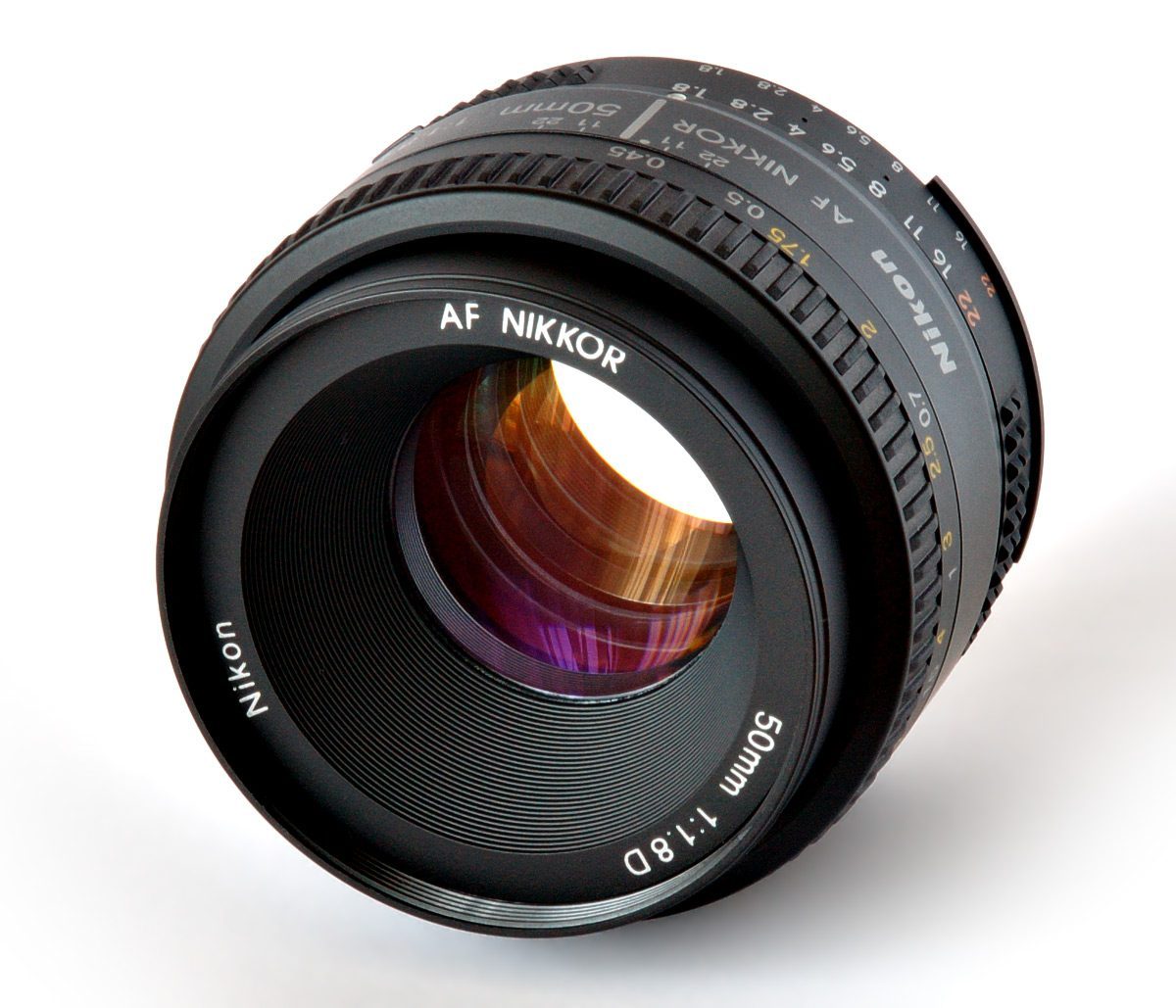
This guide explains how each common focal length behaves, what to check before you buy and how to use a wide prime without making cars look strange. Focal lengths are given in full-frame terms.
Why choose a prime over a wide zoom?
Wide zooms such as 16-35mm are flexible and popular. Primes still have real advantages:
- Wider apertures: f/1.4 to f/2.8 is common, compared with f/2.8 or f/4 on most zooms. That matters at night and indoors.
- Size and weight: many wide primes are smaller than equivalent zooms, which helps on long days at shows or hikes.
- Optical quality: primes often have less distortion and better corner sharpness at a given price, though modern zooms have closed the gap.
- Discipline: a fixed focal length makes you move and think about perspective.
The trade-off is flexibility. At a crowded car show, being unable to zoom means you sometimes can’t get the framing you want.
Focal lengths compared
14mm and wider
Ultra-wide. Dramatic perspective, strong stretching at the edges and huge depth of field. Great for big landscapes, architecture, night skies and very tight interiors. On cars, it exaggerates whatever is closest to the lens: a front wheel becomes enormous and the rear of the car shrinks. Use it deliberately or not at all.
20mm
Still very wide, but easier to control. A popular choice for astrophotography and landscapes, and very useful for car interiors from the open door or the rear seat. Keep the camera level to avoid leaning verticals.
24mm
The most versatile wide prime for many photographers. Wide enough for landscapes, interiors and environmental car shots, with less distortion than 20mm. A good choice if you want one wide prime for everything.
28mm
A moderate wide angle that feels natural, close to how many people see a scene. It’s a classic street and documentary focal length, good for paddock atmosphere, meets and travel. Less useful for interiors.
35mm
Barely wide. Good for storytelling and environmental portraits, such as an owner leaning on their car, and for walking around a meet. It distorts very little at normal distances.
What to check before you buy
- Mount and sensor size: make sure the lens matches your mount. On APS-C, a lens frames tighter (about 1.5x on most brands, 1.6x on Canon), so a 16mm behaves like a 24mm on full frame.
- Maximum aperture: f/1.4-f/2 for night skies and low light, f/2.8 or f/4 if you mostly shoot at f/8 anyway.
- Coma and corner sharpness: important for astrophotography, where stars in the corners can smear. Check independent tests.
- Distortion and correction profiles: most raw editors correct distortion automatically, but strong correction costs some corner resolution.
- Filter thread: some ultra-wides have a bulbous front element and need a special holder for filters. If you shoot cars, you want to be able to use a circular polarizer.
- Autofocus or manual: manual-focus primes are cheaper and fine for landscapes, but autofocus helps for events and moving subjects.
- Size and weight: a small lens gets used.
All major camera makers and several third-party makers offer wide primes for each mount. Read the maker’s specifications on its own site, and look for independent sharpness and coma tests before deciding.
Using a wide prime for car photography
Wide lenses are where car photos go wrong most often. The rule is simple: the closer you are, the more the nearest part of the car grows.
- For full-car shots, step back and keep the camera at about headlight or door-handle height. Use a wide prime for environment: the car in a landscape, a city street or a garage.
- For interiors, a 20mm or 24mm from the open door or the rear seat shows the dash, seats and steering wheel. Level the camera, and expose for the interior while keeping windows from blowing out, or bracket exposures and blend them.
- For aggressive looks, get low and close to a front corner with an ultra-wide. It can look dramatic on modern supercars, but it rarely suits classic proportions.
- For car shows, a wide prime lets you work in tight spaces between cars and capture the scene. See our tips on photographing at car shows.
- For night shots and light painting, a fast wide prime gathers more ambient light and lets you include the sky. Read our guide to light painting cars.
For telephoto and standard lenses for car work, read our full guide to the best lenses for car photography.
Using a wide prime for landscapes and nature
- Get close to a foreground subject to create depth, and include a middle ground and background.
- Watch the horizon. Wide lenses make tilt obvious.
- Use f/8 to f/11 for sharpness front to back, or focus stack for very close foregrounds.
- A polarizer on very wide lenses can darken the sky unevenly. Rotate it carefully or skip it.
For car-specific lens choices, read the best lenses for car photography.
Our recommendation by use
- Mostly cars (interiors, shows, environment): 24mm, or 20mm if you shoot a lot of interiors.
- Landscapes and travel: 20mm or 24mm.
- Night skies: 14mm-20mm at f/1.4-f/2.8 with low coma.
- Street, paddock and storytelling: 28mm or 35mm.
- One wide prime for everything: 24mm.
Frequently asked questions
Which wide-angle prime is most versatile?
A 24mm on full frame (about 16mm on APS-C). It’s wide enough for landscapes, interiors and environmental shots, with less distortion than ultra-wide lenses.
Is a wide-angle lens good for car photography?
Yes, for interiors, tight spaces and showing a car in its environment. Up close, wide lenses distort proportions, so step back for full-car shots or use a standard or short telephoto lens.
Prime or zoom for wide-angle photography?
Primes usually offer wider apertures, smaller size and strong optics; zooms offer flexibility. If you shoot at night or want a light kit, choose a prime. If you need to reframe quickly, choose a zoom.