A Short History of Formula 1 Photography
From the Vanderbilt Cup to the digital paddock: how racing photography developed, the photographers who shaped how we see Formula 1 and what today's shooters can learn from them.

Formula 1 photography has shaped how fans see the sport for as long as there has been a World Championship. Long before live TV coverage and onboard cameras, photographers decided which moments would be remembered. Their images still define our picture of drivers, cars and circuits from the 1950s, 1960s and 1970s. This short history traces how racing photography developed and what modern motorsport photographers can learn from the pioneers.
A note before we start: this site is an independent car-photography site and isn’t affiliated with Formula 1 or the FIA.
Before Formula 1: early road racing
Motor racing was photographed from its earliest days. In the US, the Vanderbilt Cup races on Long Island in the early 1900s drew large crowds and press photographers. Many early racing images are preserved in public collections, such as the Library of Congress, which offers a selection of free-to-use historic car photos.
Those early images show how photographers worked with the equipment of the time: they often chose positions where cars came toward them or appeared at a distance, because freezing fast motion was difficult. Some well-known early racing photos show the stretched, leaning look caused by slow focal-plane shutters, a flaw that later became part of their charm.
1950: the start of the World Championship
The first Formula 1 World Championship race was held at Silverstone in Britain on May 13, 1950, won by Giuseppe Farina in an Alfa Romeo. Formula 1’s own account of that first race is a good starting point for the history. In the years that followed, a small group of photographers began to document the championship and the sports car races that surrounded it.
The pioneers
Louis Klemantaski
Louis Klemantaski (1912-2001) was one of the most influential early motorsport photographers. He was active from the 1930s to the 1970s and worked as Aston Martin’s works photographer from 1947. He is best known for photographing the 1957 Mille Miglia from the passenger seat of Peter Collins’s Ferrari 335 S, acting as Collins’s navigator while taking photos at speed from inside the car. His work showed that racing photography could be immersive and personal, not just a record of who won.
Jesse Alexander
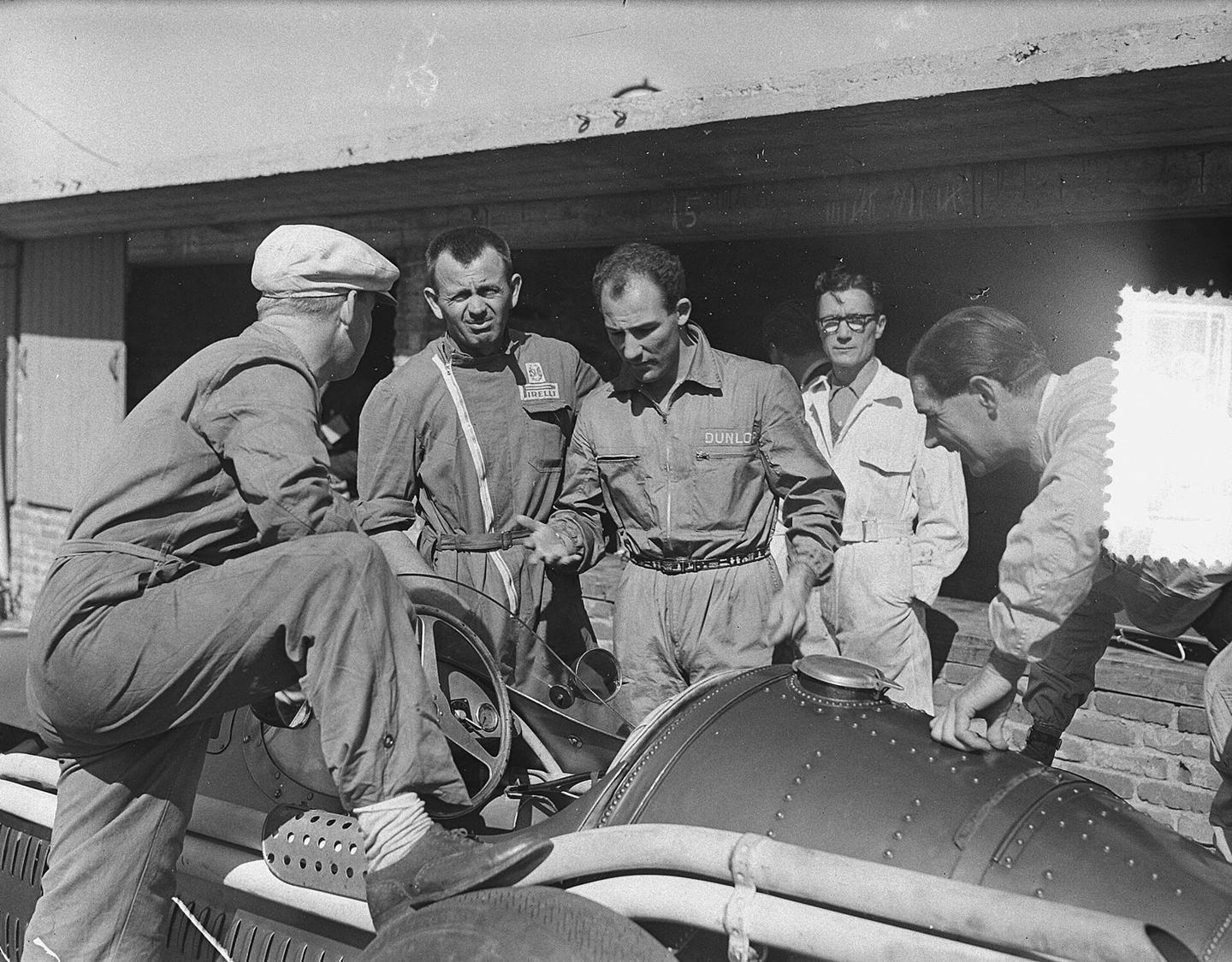
Jesse Alexander (1929-2021) was an American photographer whose career began in the early 1950s. He covered the Carrera Panamericana in Mexico in 1953, then moved to Europe to photograph Formula 1, Le Mans, the Mille Miglia and the Targa Florio. His black-and-white images are known for their focus on people: drivers, mechanics and spectators, as well as cars. His work is a reminder that the atmosphere around a race can be as important as the action on track.
Rainer Schlegelmilch
Rainer Schlegelmilch photographed his first race at the Nürburgring 1000km in 1962 and focused exclusively on Formula 1 from 1974. He is known for experimental techniques, including strong motion blur and graphic compositions, and for a long career that bridged film and digital: he switched to digital cameras in 2004 and ended his active trackside career in 2012. In 2011, he received a lifetime pass at Monza from Bernie Ecclestone.
How technology changed the work
Over the decades, cameras, lenses and film changed what was possible.
- Faster film and lenses made it easier to freeze action and work in poorer light.
- Telephoto lenses let photographers work from farther away as safety rules pushed them back from the track.
- Motor drives and autofocus improved the chances of capturing the decisive moment.
- Color film brought the liveries of the 1960s and 1970s to life.
- Digital cameras changed the workflow completely: photographers could review images instantly, shoot more frames and transmit images to editors during the race.
Safety and access
In the early decades, photographers often stood very close to the track, sometimes at the edge of the road with no barriers. As cars became faster and safety standards improved, photographers were moved behind barriers and fences, with designated positions and accreditation. Today, F1 photographers need accreditation, wear high-visibility vests and work from approved positions, with marshals and officials controlling access.
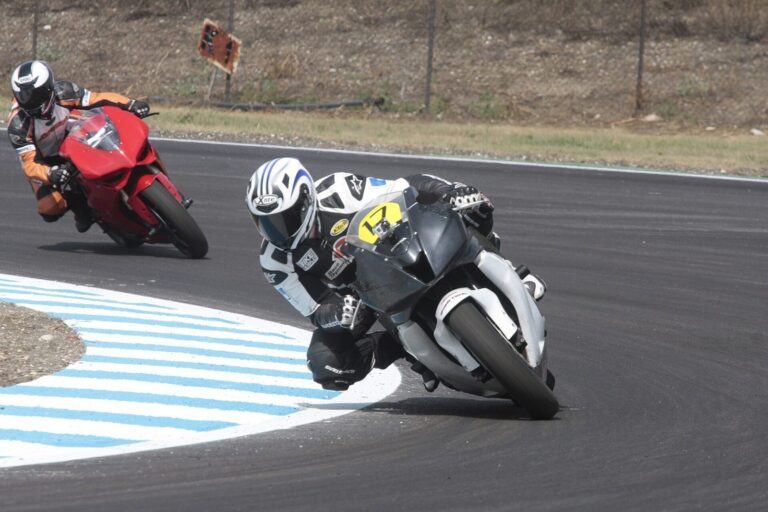
This change shaped the style of modern F1 photography. Long lenses, photo holes in fences and careful choice of positions became essential. For spectators, the same principle applies: safety always comes first. See our guide to how to take racing photos for spectator-friendly techniques.
What modern photographers can learn
- Tell a story. The pioneers didn’t just photograph cars; they captured people, atmosphere and drama.
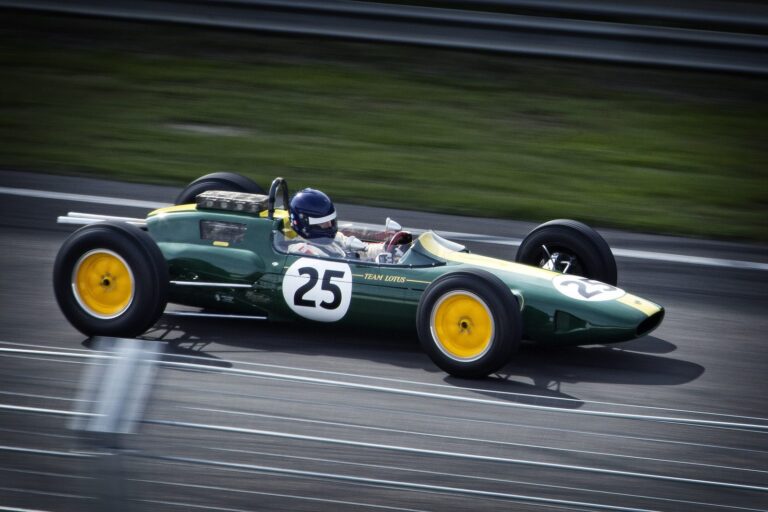
- Use motion creatively. Panning and blur were part of the visual language long before digital.
- Know the sport. Understanding racing helps you anticipate key moments.
- Look beyond the track. Paddocks, garages and the crowd offer some of the best images.
- Be patient. Many classic images came from waiting at one spot for the right moment.
Trying it yourself
You don’t need F1 accreditation to practice. Club races, historic racing events and track days give you access to similar challenges. Our track day photography guide is a good starting point, and our guide to camera settings for motorsport explains shutter speeds for panning and freezing action. At historic racing events, you can photograph the same kinds of cars the pioneers photographed; our article on the Ford GT40 covers one of the most famous examples.
If you attend a Formula 1 race in the US, check the circuit’s camera policy before you go. Rules for spectators differ between venues, and some restrict the size of lenses or ban tripods and monopods.
Frequently asked questions
When was the first Formula 1 World Championship race?
May 13, 1950, at Silverstone in Britain. Giuseppe Farina won in an Alfa Romeo.
Who were the most influential early F1 photographers?
Louis Klemantaski, Jesse Alexander and Rainer Schlegelmilch are among the best known, each with a distinctive style.
Did Louis Klemantaski ride in the Mille Miglia?
Yes. In 1957, he rode with Peter Collins in a Ferrari 335 S, acting as navigator and photographing the race from inside the car.
Can I photograph an F1 race as a spectator?
Yes, at most circuits, within the venue’s camera policy. Check the rules on lens size, tripods and monopods before you go.