The Best Lenses for Car Photography
Which lenses work best for car photography: standard zooms, telephotos for motorsport, wide angles for interiors, primes for low light, and how focal length changes how a car looks.

The lens you use has a bigger effect on car photos than the camera body. Focal length changes how a car’s proportions look, how much of the background you include and how close you need to be. This guide explains which lenses suit which kind of car photography, from car shows and motorsport to rolling shots, interiors and portraits. We don’t recommend specific brands or models; the principles apply to any camera system.

How focal length changes a car
Focal length itself doesn’t distort a car; distance does. But because wide lenses make you stand closer, they exaggerate whatever is nearest the camera. A wide lens close to the front of a car makes the nose look huge and the rear tiny. A longer lens from farther away compresses the proportions, so the car looks closer to how designers drew it.
- Wide (14-24mm): dramatic, exaggerated proportions. Good for interiors and creative close-ups, risky for full-car images.
- Standard (35-50mm): natural proportions from a moderate distance. Versatile.
- Short telephoto (85-135mm): flattering compression and clean backgrounds. A favorite for car portraits.
- Telephoto (200mm and longer): strong compression, isolated subjects. Essential for motorsport.
Note that focal lengths here refer to full-frame equivalents. On a smaller sensor (APS-C or Micro Four Thirds), the same lens gives a narrower view.
The standard zoom: 24-70mm
If you only have one lens, a 24-70mm (or similar range) is the most versatile choice for car photography. It covers wide shots of a car in its location, natural-looking full-car images, details and interiors. A constant f/2.8 aperture helps in low light, but an f/4 version is lighter and cheaper and works well in most outdoor situations.
Use it for: car shows, meets, rolling shots, interiors and general use.
The telephoto zoom: 70-200mm
A 70-200mm is the next lens to add. It’s long enough for many motorsport situations, especially at club races and track days, and flattering for car portraits. At car shows, it isolates cars and details from crowds.
Use it for: motorsport, portraits, car shows and isolating details.
Longer telephotos: 100-400mm and beyond
For motorsport at larger circuits, where spectators are far from the track, you may need 300-600mm. Zoom lenses like 100-400mm or 150-600mm are popular because they offer flexibility at different corners. They’re heavy, so a strap and good technique matter.
Check the venue’s camera policy before you bring a long lens. For example, Circuit of the Americas lists detachable telephoto lenses among items not permitted at motorsport events, along with tripods and monopods. Policies differ by venue and event and can change, so always check the current rules.
Use them for: motorsport from spectator areas and wildlife-style compression.
Wide-angle lenses: 14-35mm
Wide-angle lenses are useful for interiors, engine bays, tight spaces and dramatic low-angle images. They can make a car look aggressive and powerful, but they distort if used too close to the car. Use them deliberately.
A wide-angle prime offers sharpness and a wide aperture in a compact body. Our article on the best wide-angle prime lens explains how to choose one.
Use them for: interiors, engine bays, rolling shots with close subject cars and creative compositions.
Prime lenses
Primes have a fixed focal length. They’re usually sharper, lighter and faster (wider aperture) than zooms at a similar price.
- 35mm: good for car-in-environment images and interiors.
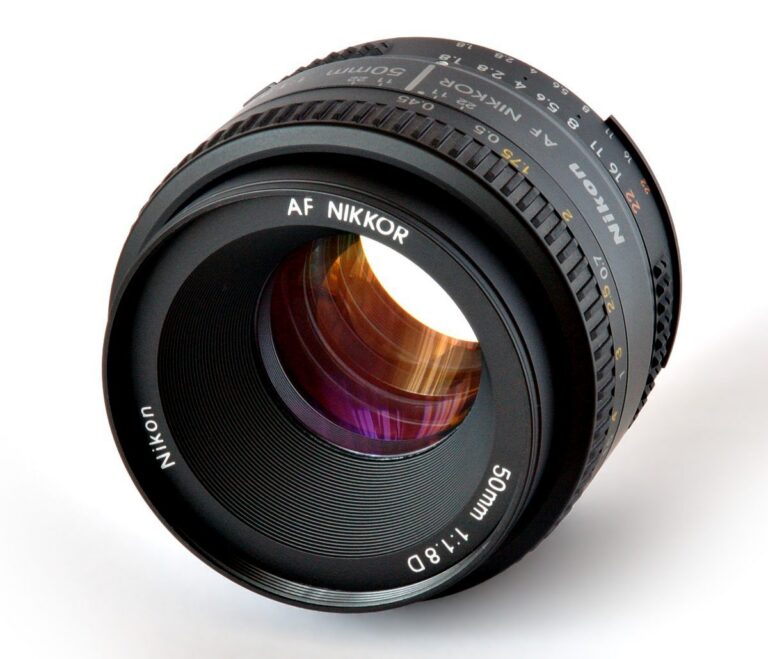
- 50mm: natural proportions, compact, affordable. A good lens for detail shots and low light.
- 85mm: great for car portraits and details with soft backgrounds.
- 135mm: strong compression and background separation.
Use primes for: indoor car shows, night photography, portraits and details.
Specialist lenses
- Macro lenses: for extreme close-ups of badges, stitching and textures.
- Tilt-shift lenses: used by some professionals for perspective control, but expensive and manual.
- Fisheye lenses: a strong creative effect for interiors or action, but easy to overuse.
Lenses by situation
Car shows and meets
A 24-70mm plus a 70-200mm or an 85mm prime. Add a fast prime for indoor shows. See photographing at car shows.
Motorsport
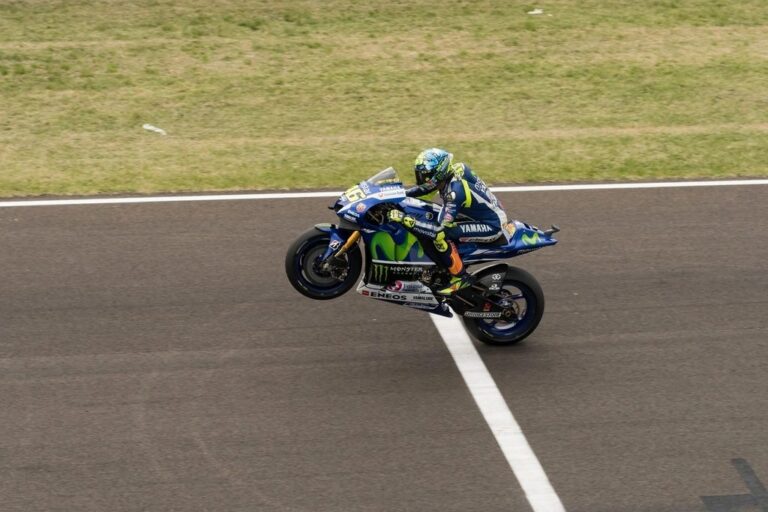
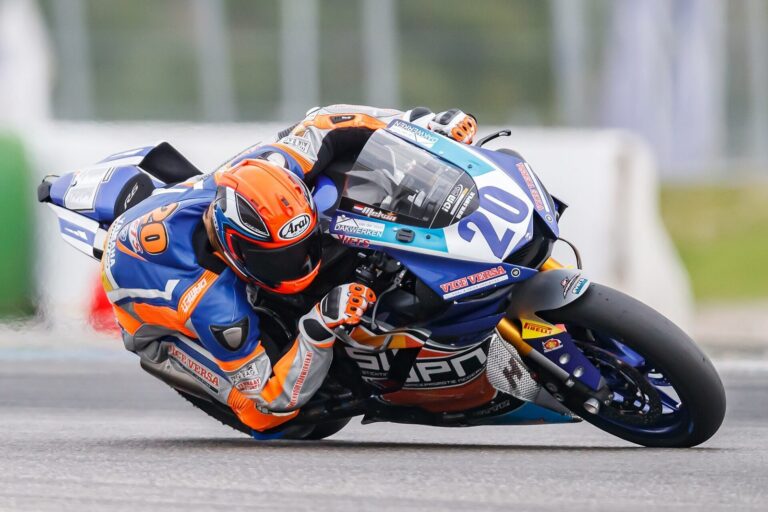
A 70-200mm at small tracks, and 100-400mm or longer at large circuits (where allowed). Read the best camera settings for motorsport for how lens choice affects settings.
Rolling shots
A 16-35mm or 24-70mm. Wider focal lengths let the subject car be closer, which reduces the effect of bumps. See how to shoot rolling shots.
Car portraits
A 50mm to 135mm for natural proportions, or a 70-200mm for flexibility. See classic car portraits for lighting and location tips.
Interiors
A 14-24mm or 16-35mm, or a wide prime. Watch for distortion near the frame edges.
Filters
A circular polarizing filter is one of the most useful accessories in car photography. It controls reflections on paint and glass and deepens skies. An ND filter allows slower shutter speeds for panning and rolling shots in daylight. Buy filters in the thread size of your largest lens and use step-up rings for smaller ones.
Buying advice
- Start with one versatile zoom and add lenses when you know what you need.
- Consider used lenses from reputable dealers; good lenses last a long time.
- Third-party lenses from established manufacturers can offer good value. Check compatibility with your camera’s autofocus system.
- Stabilization is useful on telephoto lenses, especially for panning, unless your camera has strong in-body stabilization.
- Weight matters on long days at the track or at shows.
Frequently asked questions
What is the best all-round lens for car photography?
A 24-70mm standard zoom. It covers wide shots, full-car images, details and interiors.
What focal length is best for car portraits?
Around 50mm to 135mm on full frame. Longer focal lengths from farther away give natural proportions and clean backgrounds.
Which lens do I need for motorsport?
A 70-200mm at small tracks and a 100-400mm or longer at large circuits, if the venue’s camera policy allows it.
Are wide-angle lenses bad for car photography?
No, but they exaggerate the parts of the car nearest the camera. Use them for interiors, engine bays and deliberate creative effects.