Track Day Photography: A Complete Guide
How to photograph a track day or HPDE: what these events are, how to get access, where you can and can't stand, the gear and settings to use and how to work with drivers and organizers.

Track days are the best place to learn motorsport photography. The pressure is lower than at a professional race, the cars are varied, the sessions repeat all day and access is often easier. Many drivers would love good photos of their car on track. This guide explains how track days work in the US, how to get access as a photographer, where to stand safely and how to set up your camera.
What is a track day?
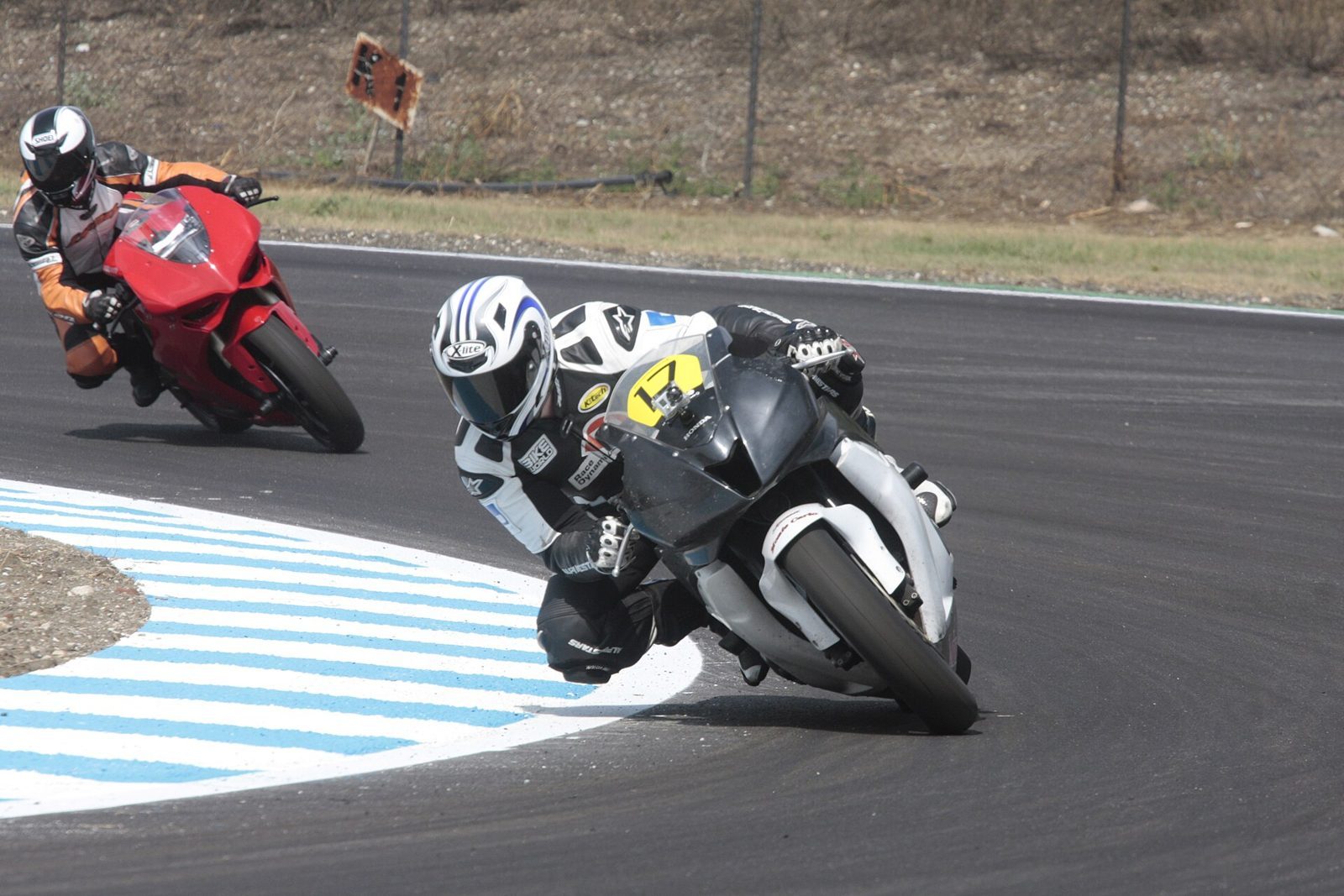
A track day is a non-competitive event where drivers take their own cars onto a racetrack. There’s no racing and no winner; the focus is on driving skill, car control and fun. In the US, you’ll often see them called HPDE, short for High Performance Driver Education.
Two of the best-known organizers are the SCCA (Sports Car Club of America) and NASA (National Auto Sport Association), along with many independent organizers, car clubs and the tracks themselves.
SCCA Track Night in America
The SCCA’s Track Night in America program runs evening track events at more than 30 tracks across the country. It’s designed to be accessible: drivers need a mechanically sound street car and a helmet, and the SCCA actively encourages drivers to bring guests. Rides are limited to the separate Track Tour Laps, and waivers apply. Each event page lists the schedule, and each track page lists any track-specific rules.
NASA HPDE
NASA’s HPDE program is structured in levels from HPDE 1 for beginners to HPDE 4 for experienced drivers moving toward time trials or racing. Drivers need a NASA membership and must be at least 18, or 16 with parental consent; passengers must be 18 or older.
Getting access as a photographer
There are a few ways to photograph a track day:
- As a spectator. Many events allow guests in the paddock and some spectator areas. You won’t have access to the track edge, but you can photograph the paddock, the grid and cars from public viewing areas.
- As a driver’s guest. If you know someone who’s driving, come along with them. You’ll get paddock access and an easy subject.
- As an event photographer. Many organizers work with a photographer who sells images to drivers. Contact the organizer well in advance if you’re interested, and expect to provide insurance and to follow their safety rules.
Never enter areas closed to spectators without permission. Track days have corner workers and safety rules for good reasons, and areas near the track edge can be dangerous.
Waivers and safety rules
Expect to sign a waiver at the gate. If you get access to areas near the track, organizers typically require a safety briefing, a high-visibility vest and in some cases a photo position assigned by the organizer. SCCA rules for some event types, for example, require photographers in course areas to have approval from the safety steward and a spotter, who can’t be a minor.
The general rules apply everywhere:
- Stay behind barriers or in approved areas.
- Never stand on the outside of a corner, where a car would go if it lost control.
- Don’t cross the track. Use designated crossings or ask a marshal.
- Keep track of the session schedule and be off the track edge before cars go out.
- Listen to corner workers and officials.
Our guide to photographing fast subjects safely covers the reasoning behind these rules.
Planning your day
A track day schedule is built around run groups. Drivers are split by experience, and each group goes out for a session of 20 minutes or so, several times a day. Get the schedule from the event page or at check-in, and use it to plan:
- First sessions: spend them finding positions and testing settings, not chasing perfect images.
- Middle of the day: harsh light from above. Work in the paddock or concentrate on panning, where the background blur hides the light.
- Late sessions: warmer, lower light and often your best on-track images.
- Between sessions: review images, swap batteries and move to a new position.
Remember that schedules change with weather and incidents. Stay flexible and keep an eye on the grid.
Choosing your subjects
Track days mix daily drivers, modified street cars, dedicated track builds and the occasional exotic. A good set of images covers that variety. Pick a few cars that stand out by color, sound or story and follow them through the day: in the paddock, on the grid, on track and afterward. Then fill in with overview images of the paddock, the grid and the track itself. Novice groups often drive more cautiously and predictably, which makes them good subjects when you’re practicing panning.
Gear
- Camera: any camera with continuous autofocus and a fast burst rate works. You don’t need the latest model.
- Telephoto zoom: a 70-200mm or 100-400mm is the core lens for on-track images.
- Standard zoom: a 24-70mm for the paddock and pit lane.
- Batteries and cards: track days produce a lot of images. Bring more than you think you need.
- ND filter: for slow shutter speeds in bright sun.
- No drones unless the organizer explicitly allows them; the SCCA notes that most tracks have banned them.
- Comfort items: sunscreen, water, hearing protection and comfortable shoes. Track days are long and loud.
For more detail on focal lengths, read the best lenses for car photography.
Camera settings
Track days give you many chances to practice. A good approach is to start conservative and get more ambitious as the day goes on.
- Panning: start at 1/250 sec in shutter priority. Once you get consistent results, go to 1/125 and 1/60 sec.
- Freezing: 1/1000 sec or faster for cars coming toward you.
- Autofocus: continuous, with a zone or small group of points.
- ISO: auto ISO with a sensible maximum, or base ISO in good light.
Our full guide to camera settings for motorsport explains each of these choices.
Where to stand
Every track is different, but a few spots work at most circuits:
- Corner exits: cars accelerate and the front wheels are often turned, giving dynamic images.
- Braking zones: cars pitch forward and brake discs may glow at night.
- Elevation changes: crests and dips show suspension movement.
- Pit lane exit: cars accelerate past slowly, which is good for practicing panning.
Walk the accessible areas early in the day to find positions with good backgrounds and safe angles. Look for the direction of the light: having the sun behind you or to the side gives the best results.
The paddock
The paddock is where most of the story happens. Drivers prepare cars, swap tires, check tire pressures and talk about their laps. It’s also where you’ll find a wide range of cars, from daily drivers to dedicated track builds.
- Photograph preparations: helmets, gloves, tire pressure checks, numbers being applied.
- Look for details: worn tires, brake dust, stickers.
- Capture people: drivers talking to instructors, families watching.
- Ask before photographing people up close, and respect anyone who says no.
Working with drivers
Drivers at track days are often happy to receive images of their cars. If you’re there as a guest, a friendly approach helps:
- Note car numbers and colors so you can find the images later.
- Share a few images with drivers if they want them. Exchange contact details in person, and respect anyone’s choice not to share.
- If you want to sell images, check the organizer’s rules first. Some events have an exclusive photographer.
Night sessions
Evening events like Track Night in America can run into dusk and darkness, depending on the season and track. Low light brings slower shutter speeds and higher ISO, but also dramatic images with headlights, taillights and glowing brakes. Use a wide aperture, accept a higher ISO and focus on panning at slower speeds.
After the event
Cull your images on the same day while you remember which cars and moments matter most. Delete out-of-focus frames, then choose the best of each car. Light edits are usually enough: exposure, contrast, a straight horizon and a careful crop. Avoid over-editing, which makes cars look artificial.
Moving up to race events
Once you’re comfortable at track days, try club races and professional events. Our guide on how to take racing photos covers the next step, including spectator positions and working with fences.
Frequently asked questions
Can spectators attend track days?
Many track days allow guests in the paddock and spectator areas. SCCA Track Night in America, for example, encourages drivers to bring guests. Check each event’s rules beforehand.
What is an HPDE?
HPDE stands for High Performance Driver Education. It’s a non-competitive track event where drivers learn on a racetrack, often with instructors.
What lens do I need for track day photography?
A 70-200mm or 100-400mm telephoto zoom for cars on track, plus a 24-70mm for the paddock.
Can I photograph from the track edge at a track day?
Only with the organizer’s permission and in designated areas. Expect a safety briefing, a waiver and a high-visibility vest.